

Protecting your natural teeth starts with identifying dental problems early. Root resorption is a condition that can gradually damage the structure of a tooth, often without noticeable symptoms in the beginning. Visiting a dentist in Jupiter, FL, for regular exams can help detect root resorption early and improve the chances of saving the affected tooth.

Understanding Root Resorption
Root resorption occurs when the body starts breaking down and absorbing the root structure of a tooth. This process can affect the inside or outside of the tooth root and may progress slowly over time.
In children, root resorption is a normal part of losing baby teeth. However, when it affects permanent teeth, it becomes a dental concern that often requires professional treatment.
There are two main types of root resorption:
- Internal root resorption
- External root resorption
Internal root resorption begins inside the tooth, usually within the pulp chamber. External root resorption starts on the outer surface of the tooth root and is generally more common.
What Causes Root Resorption?
Several factors may contribute to root resorption. In some cases, the exact cause may not be fully clear, but dentists often identify certain risk factors associated with the condition.
Common causes of root resorption include:
- Dental trauma or injury
- Chronic tooth infections
- Orthodontic treatment
- Impacted teeth
- Teeth grinding or excessive pressure
- Inflammation in surrounding tissues
Trauma is one of the leading causes. A tooth that has experienced a hard impact may develop damage beneath the surface, which can eventually trigger the body to break down the root structure.
Orthodontic treatment may also place pressure on the teeth during movement. While this is usually minor and controlled, severe or prolonged pressure may increase the risk in some patients.
Signs and Symptoms of Root Resorption
Root resorption can be difficult to detect without dental imaging because symptoms may not appear immediately. In many cases, the condition is discovered during routine dental examinations.
As the condition progresses, patients may notice symptoms such as:
- Tooth sensitivity
- Discoloration of the tooth
- Swelling near the gums
- Pain or discomfort while chewing
- Loose teeth
Some patients may not feel pain until the damage becomes advanced. This is why regular dental visits are important for early diagnosis and treatment.
How Dentists Diagnose Root Resorption
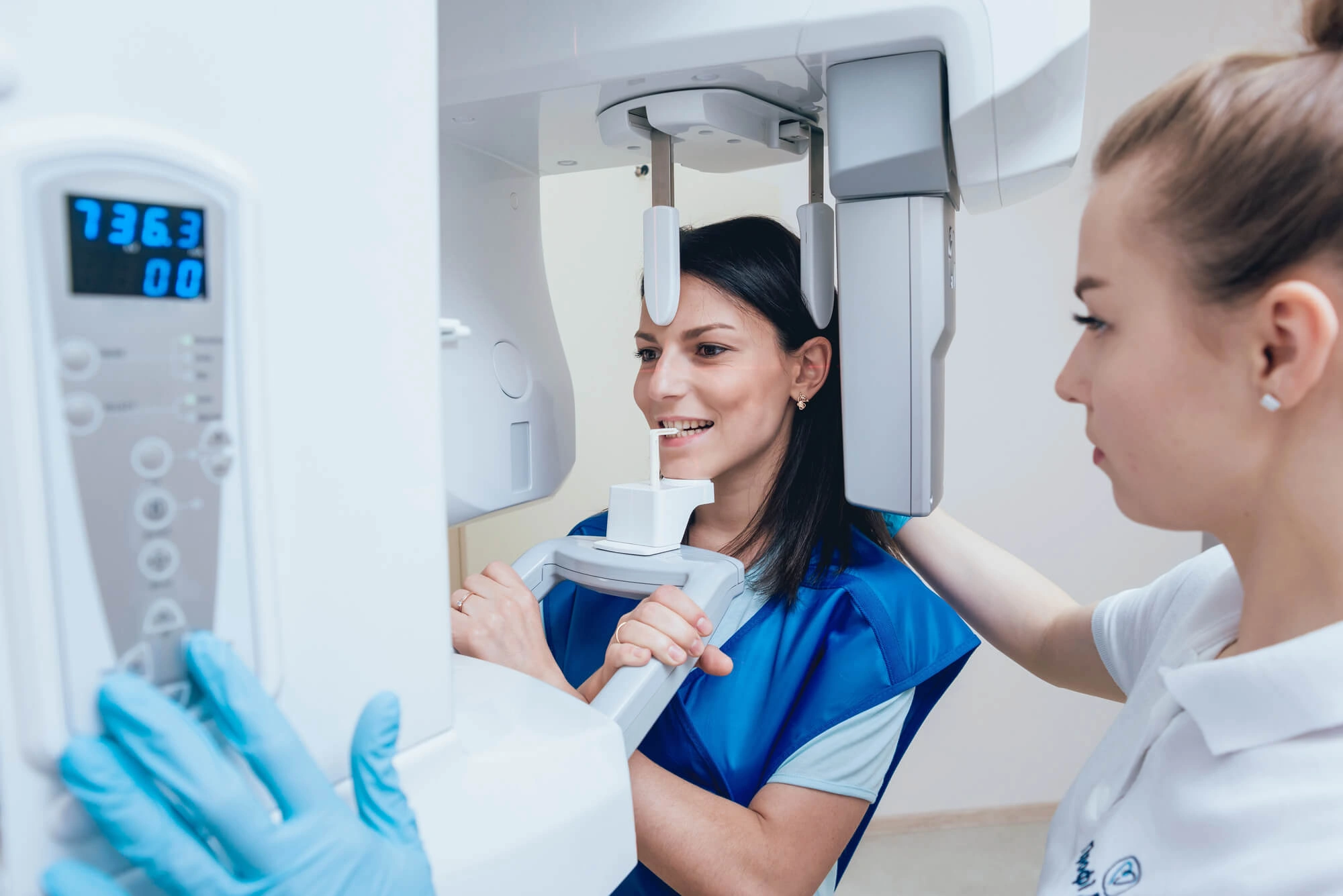
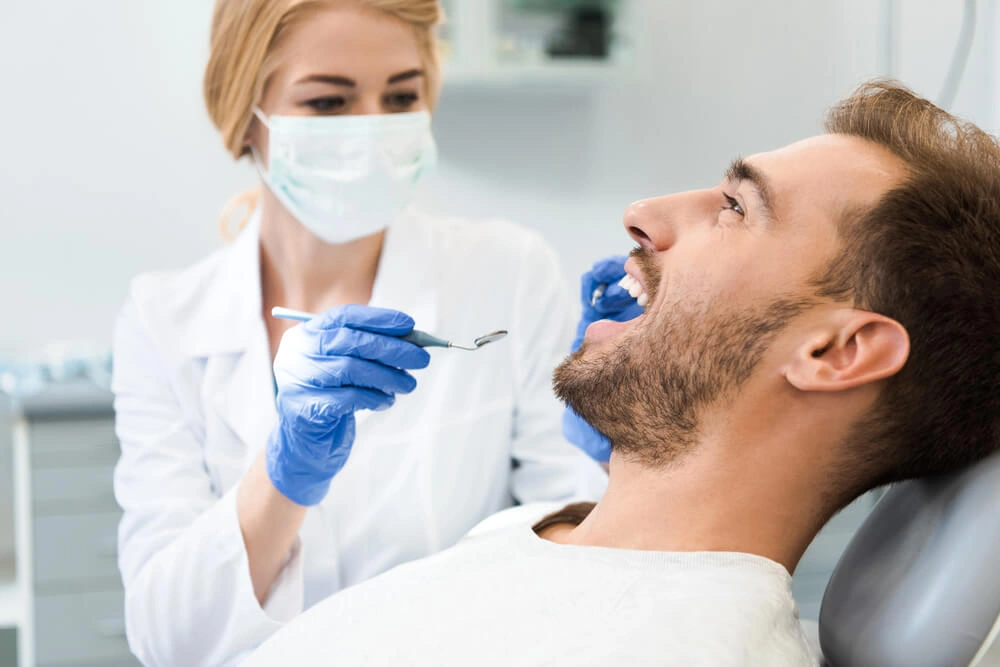
Dentists typically use digital X-rays and detailed dental examinations to identify root resorption. Imaging allows dental professionals to see changes in the root structure that may not be visible during a standard oral exam.
Once diagnosed, treatment depends on the severity and location of the damage. In some cases, endodontic treatment such as root canal therapy may help stop the progression and preserve the tooth.
Want to read more from Jupiter Dental Care?
Save us as a Preferred Source!